 | Truck Selling Strategy: Repair or Sell As-Is? | | A Class 8 truck arrives at the yard with a tired engine and a leaky turbo. The shop estimates a rebuild will cost $30,000 and keep the unit off the road for two weeks. Meanwhile, a dealer offers to buy it as‑is for 20% below the roadworthy market price. Which option leaves more cash in the seller’s pocket? Start with the arithmetic buyers already use. Professional purchasers model an as‑is discount to cover repair costs, carrying costs, a risk premium, and a resale margin. In practice, that… | | Read more | | |
|
| |
Bridging the Future: A Preview of the Gordie Howe International Bridge Opening |  | | Crane and Hoist Canada • Mike Lacey • Jul 24, 2026 | | The Gordie Howe International Bridge connecting Windsor, Ontario to Detroit, Michigan officially opens July 27, 2026, featuring a 2.5-kilometer span with an 853-meter cable-stayed main span supported by 216 stay cables. The bridge will alleviate congestion at the Detroit-Windsor corridor, which handles approximately 25% of surface trade between Canada and the U.S., while providing critical redundancy for the automotive supply chain and Just-In-Time manufacturing operations. The project includes a dedicated multi-use path for pedestrians and cyclists, direct Highway 401-to-I-75 connectivity, and expanded customs capacity to enhance cross-border trade efficiency. | | Open Article | | |
|
| |
US widens lead over Europe in critical minerals race: WSJ |  | | MINING.com • Cecilia Jamasmie • Jul 17, 2026 | | The United States is significantly outpacing Europe in critical minerals investment, committing approximately $46 billion over five years—roughly eight times the EU's allocation—while securing preferential access to mineral resources in countries like the Democratic Republic of Congo and Ukraine. This aggressive strategy has already shifted project locations, with rare earth developers moving operations from Europe to the US to access American financing programs, raising concerns among European manufacturers about continued reliance on Chinese supply chains. The EU is responding with a €3-billion financing hub and strategic partnerships aimed at ensuring no single country supplies more than 65% of its critical raw materials by 2030. | | Open Article | | |
|
| |
Saudi oil can still get out — but it won’t be cheap or easy |  | | Energy Industry - The Economic Times • Jul 27, 2026 | | Saudi Arabia must develop new export routes after Houthi attacks threatened the Bab el-Mandeb strait, a critical chokepoint for its Red Sea oil shipments. While the kingdom can reroute oil northward through the Suez Canal to the Mediterranean, very large crude carriers cannot pass fully laden, necessitating use of existing pipelines like the 50-year-old Sumed or the Eilat-to-Ashkelon pipeline to transfer cargo. This complex solution requires significant investment, diplomatic coordination, and operational logistics to maintain oil exports amid ongoing regional threats. | | Open Article | | |
|
| |
Wirtgen's first milling machine with precision grinding |  | | Heavy Equipment Guide » News • Jul 28, 2026 | | Wirtgen introduced the W 210 XF milling machine with optional Wirtgen Precision Grinding (WPG) technology, featuring over 300 diamond grinding discs that replace the traditional milling drum to achieve superior surface evenness at depths of 0-50 mm. WPG technology is applicable to asphalt, concrete, and cobblestone surfaces, including bridge decks and roadways, and can improve surface grip, correct irregularities, and create drainage grooves while reducing the International Roughness Index (IRI). The system operates similarly to conventional milling but at slower speeds, uses an optimized water injection system with temperature monitoring, and incorporates advanced slurry separation and noise reduction features. | | Open Article | | |
|
| |
How Cummins Australia is setting a global benchmark in mine engine remanufacturing - Tradelink Publications | 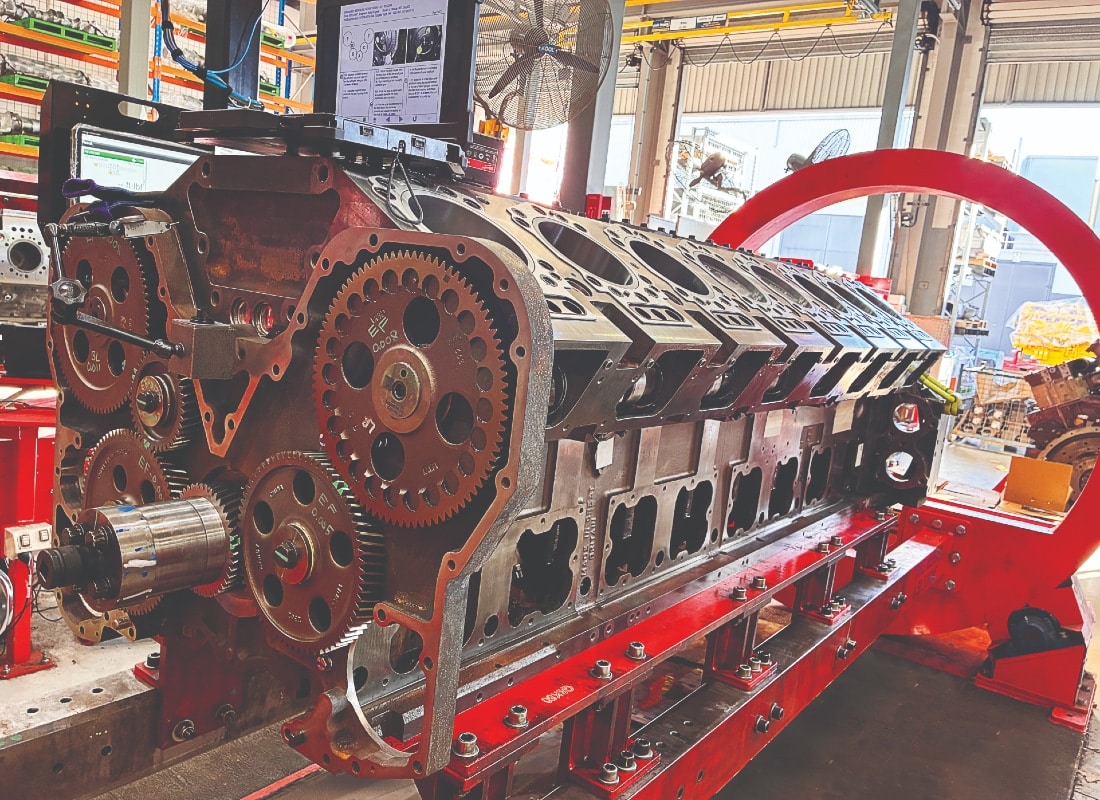 | | Tradelink Publications • Gordon Barratt • Jul 27, 2026 | | Cummins Australia has established a global benchmark in high-horsepower engine remanufacturing through its Master Rebuild Centres (MRCs) in Brisbane and Perth, which pioneered a model now adopted across 13 facilities worldwide. Every engine undergoes a rigorous 600-step process to return it to 'zero-hour' status, incorporating the latest product updates and engineering advancements tailored to Australian mining conditions. The facilities' customer-centric approach—aligning rebuild schedules with maintenance programs and offering support bank engines—has driven strong adoption and delivered some of the longest operating life figures globally in the mining sector. | | Open Article | | |
|
| |
Iran Rejects Omani Plan for Strait of Hormuz Management |  | | Offshore Engineer • Jul 29, 2026 | | Iran has rejected Oman's proposal for joint management of the Strait of Hormuz, insisting on Iranian control of the entire inbound route and part of the outbound route. Escalating military tensions in the region have resumed following a brief ceasefire, with Iranian Revolutionary Guards striking oil tankers, Iran-backed groups attacking Saudi oil facilities, and U.S.-Saudi forces striking targets in Iraq, driving oil prices up over $3 per barrel. Iran denies responsibility for attacks attributed to it, calling such accusations a "major miscalculation." | | Open Article | | |
|
| |
Electric Vehicles Enter the Fast Lane |  | | Industry Today • Melissa Burge • Jul 27, 2026 | | Electric vehicle adoption is accelerating in construction, with battery-powered equipment expanding from small hand tools to larger machinery, on-road fleets, and power solutions as contractors seek lower emissions, quieter jobsites, and reduced operating costs. The global electric construction equipment market is projected to grow from $4.51 billion in 2025 to $14.36 billion by 2032, driven by emissions standards, noise regulations, and lower maintenance requirements. While electrification offers practical benefits for applications with route predictability and controlled duty cycles, it is not a universal replacement for diesel across all jobsites and duty cycles. | | Open Article | | |
|
| |
EPA Refers California's Harbor Air Pollution Rules to Congress for Review | 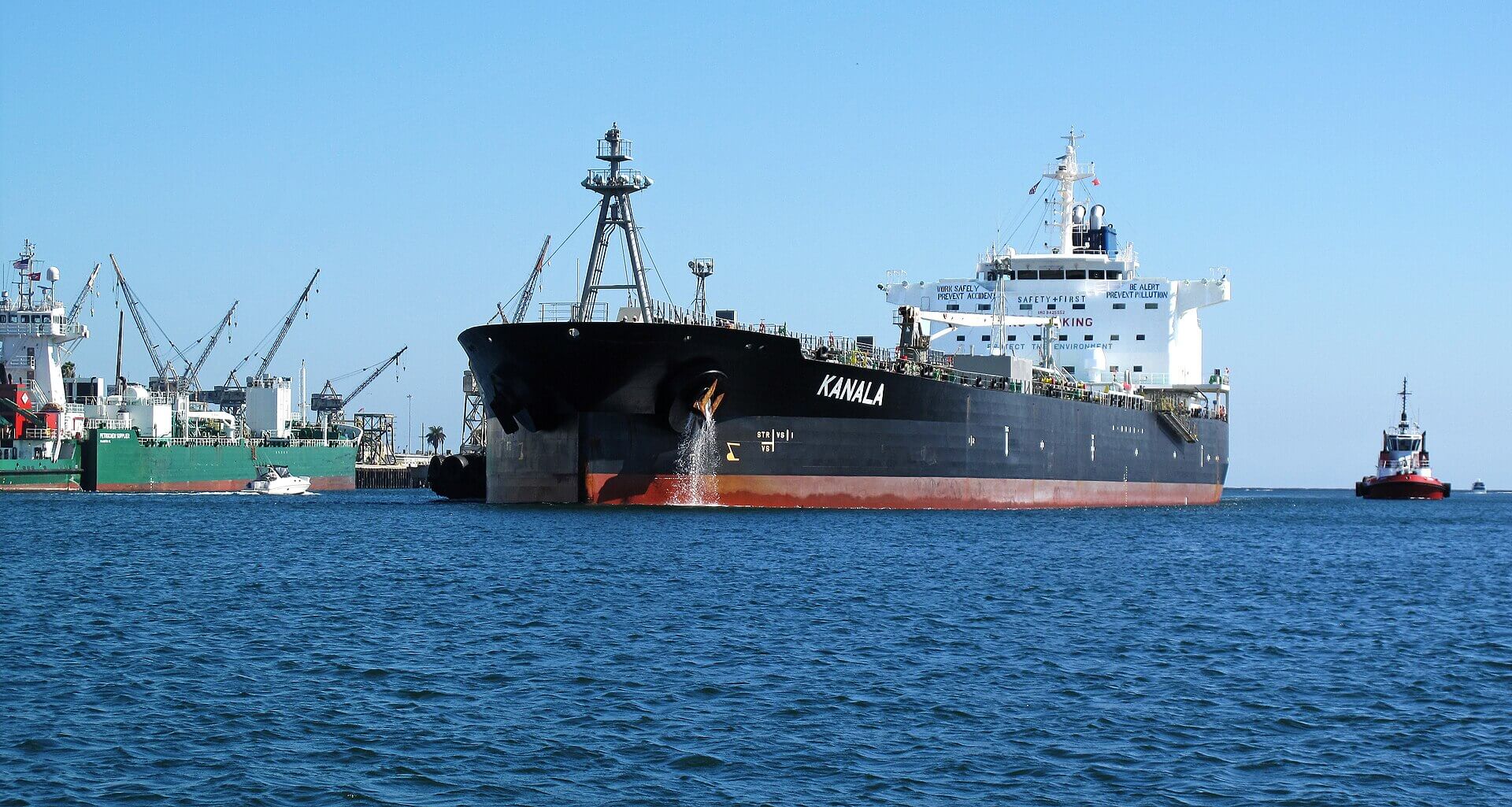 | | The Maritime Executive • The Maritime Executive • Jul 28, 2026 | | The Trump administration has referred two California harbor air pollution rules to Congress for potential repeal under the Congressional Review Act, departing from decades of precedent. The Ocean-Going Vessels at Berth rule requires ships to use shore power while docked and reduce fleet emissions by 70 percent, while the Commercial Harbor Craft rule imposes stricter particulate matter limits on tugboats than federal EPA standards, raising concerns about non-existent technology and fire safety. Environmental groups and policy advocates have criticized the referral as an unprecedented politicization of Clean Air Act waiver provisions that have been respected by both Republican and Democratic administrations for over 50 years. | | Open Article | | |
|
| |
‘Misdeclared dangerous goods remain threat to shipping’ |SWZ |  | | SWZ Maritime • Mariska Buitendijk • Jul 28, 2026 | | Container ship fires occur every 17 days according to Allianz data, with misdeclared and undeclared dangerous goods—particularly lithium-ion batteries and chemicals—identified as a leading preventable cause. The shipping industry is implementing AI-powered cargo screening tools, such as the World Shipping Council's Cargo Safety Programme, to identify high-risk shipments before loading. Industry leaders emphasize that while safety measures are being strengthened, government enforcement of existing international maritime regulations is essential to address the threat posed by irresponsible shippers. | | Open Article | | |
|
| |
Cutting off Red Sea oil route may be one crisis too many |  | | Energy Industry - The Economic Times • Jul 23, 2026 | | The Red Sea conflict, escalated by Iran-backed Houthi militia blockades at the Bab el-Mandeb Strait, is severely disrupting global oil flows and forcing tankers to reroute around Africa via the Suez Canal, adding at least four weeks to transit times and significantly increasing freight and insurance costs. Saudi Arabia's western export hub, which had become the primary outlet after the Strait of Hormuz closure, now faces reduced capacity as the largest crude carriers cannot transit the Suez Canal fully laden. This disruption threatens a fragile global energy recovery, with rising fuel prices reducing demand and potentially slowing economic activity worldwide. | | Open Article | | |
|


